
Advice From a Grumpy Old Man #764
“I think life would be meaningless if I didn’t take risks”
— Robert Jeffery
There are estimated to be over 300 bodies in the death zone1 on Mount Everest. Every dead body on Mount Everest was once a highly motivated individual.
In the early days, climbing Everest was hard. Many that tried, died. The first reconnaissance was in 1921, the first ascent in 1953. That decade there were 6 summits. In the 1960s there were 35, then 87 in the 1970s, and 197 in the 1980s.
Some of these mountaineers wrote books, rode the lecture / inspirational talk circuit, and made a living off their accomplishment, and deservedly so.
Then in the 1990s commercial climbing began – improved logistics, Sherpa permitting, and improved oxygen systems allowed ~950 individuals to summit. In the 2000s & 2010s climbing Everest became industrialized: ~2,600 & ~5,550 in each decade respectively.
For between $45,000 to $120,000 (depending on the package and risk you’re willing to take), you too can summit Everest. Much of that is permit fees. There is money to be made, and goodness bless the Sherpas who might now get a small slice of it.

Here’s the rub – are you pushing your personal limits, or doing it for the bragging rights? When should you keep going, and when should you fold your tent? Could you have gone further, or is it wiser to try again later, if you can? Whatever we decide, we will never know what the other road less travelled might have held.
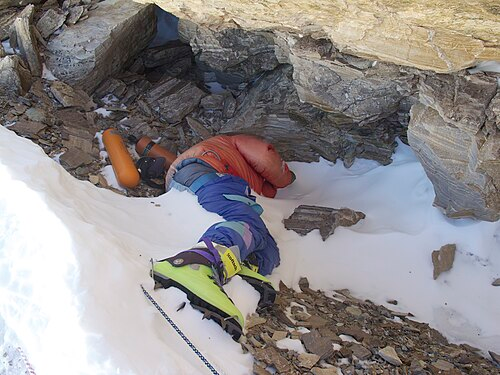
When we do make it to the summit, we do so stepping over the bodies of those that came before us, using them as navigational aides.2
I’m skeptical of any cheerleader that tries to sell me on ‘I did it, and so can you.’ Dude, the only reason you’re not one of those bodies is because you had good weather that day. Be more humble.
https://en.wikipedia.org/wiki/Green_Boots
I’m not saying don’t try. Take the risk. Accomplish things. Be a trailblazer. Push your limits and discover what you’re capable of. Cultivating the discipline to accomplish something great is its own reward. Do it for your own, intrinsic reasons. Not to bask in someone else’s reflected glory.
Yes, we should learn from others, so we don’t have to make all the mistakes ourselves. But be skeptical. Maybe they had a good team, good weather, and a good ghost-writer.
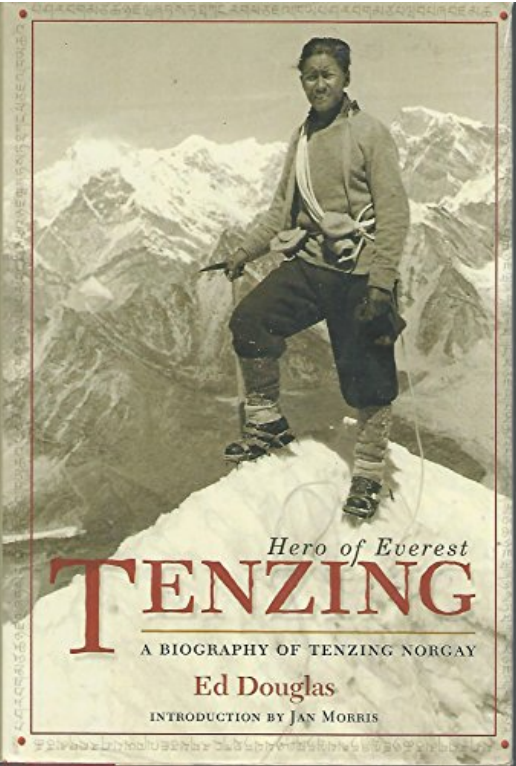
There will always be people ready to take your money to bask in their reflected glory. Dig a little deeper. Go back to the source, and read the trailblazer’s story instead. It’s more interesting and more insightful anyway:
The Hero of Everest Tenzing by Ed Douglas
- That’s everything above 8000 meters, where the oxygen gets a little thin. The view, however, I’m told, is excellent. ↩︎
- “Green Boots”, the body of a climber who died wearing bright green climbing boots, who marks the main Northeast ridge route. “Rainbow Valley” is an area below the summit strewn with bodies of climbers wearing brightly coloured mountaineering equipment. ↩︎
Leave a Reply